The God Vessel – A place for your fears
July 21, 2025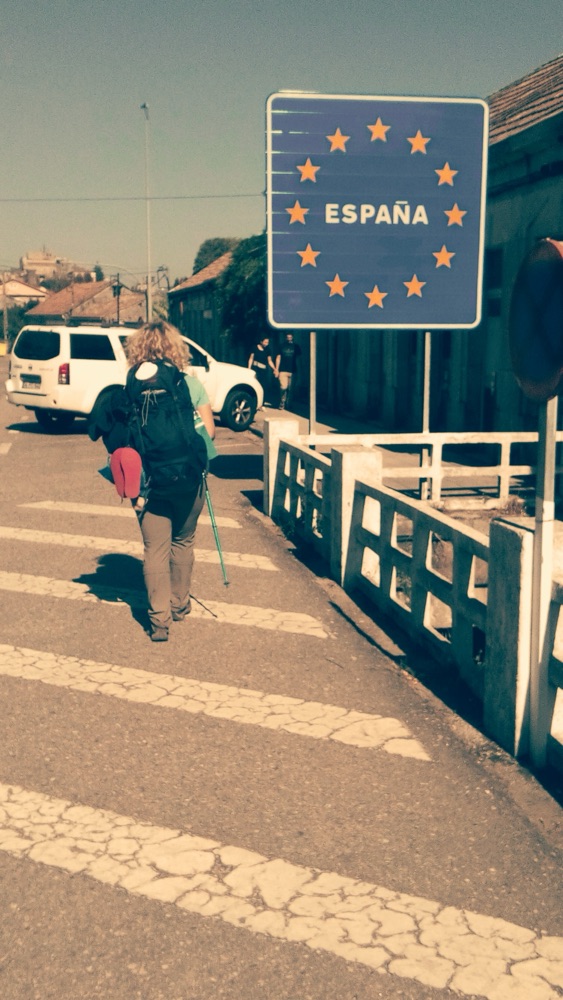
Have you ever wished you could just take a break?
A break from work, from family, or simply from the environment you’re used to? A break from the digital world, from the constant consumption surrounding us, or from the pressure to live quickly and as efficiently as possible?
It seems like there’s hardly enough time for anything anymore. Apps that summarize entire books in a few minutes. Protein bars and drinks that replace entire meals. And now we’re even turning to artificial intelligence to help us work faster.
After finishing my training and experiencing burnout at 24, I desperately wanted a break. I wasn’t ready to jump into the workforce yet. Instead, I wanted to use that time to recharge my batteries.
And what better way to do that than walking the Camino de Santiago?
At least, that’s what I thought.
Maybe you know some of the books and movies that have made the Camino famous, such as I’m Off Then by Hape Kerkeling or the movie The Way. I suppose I thought that if I walked the Camino, I might finally find answers to some of the questions that kept coming back to me.
So there I was, working the late shift at my second job—the one that paid for my apartment—when I came across an article about the Camino Portugués. It was a route that was only about 250 kilometers (155 miles) long, and I could complete it within three weeks.
So much for efficiency.
I actually had no appointments or obligations waiting for me afterward, and I could have easily taken the longer French Way. But I didn’t allow myself to do that. I was also certain that I could afford three weeks, and I wanted to reach the end of the trail one day. I wanted to experience that feeling of accomplishment.
After reading the article, I was sure.
I found a flight and clicked “Book.”
At the time, I was already running straight toward burnout. One of the first symptoms during that incredibly stressful period—working 60-hour weeks, rushing from one job to the other, staying up at night to work on my training report, and getting only a few hours of sleep—was this strange feeling of I don’t care anymore.
The fears I had always carried about things like traveling alone as a woman suddenly disappeared.
I was so completely exhausted that I remember thinking: If something happens to me over there, so be it. It can’t be worse than this.
The days leading up to my departure couldn’t pass quickly enough.
For the first time in a long time, I was looking forward to something again.
And then I was sitting on the plane.
First to Paris, and from there on to Porto—my starting point.
I spent the first three days exploring Porto, and then it was time to begin.
With my new hiking backpack—and a little scallop shell dangling from it—I walked my first 21 kilometers (13 miles).
Of course, by the end of the day, I had some serious blisters, despite wearing comfortable hiking shoes. My body had to get used to the physical demands, too.
On the second day, my back started hurting.
On the third, I was dealing with excruciating pain in my calves that brought me to my hostel in tears.
They say the first week is for the body, and the second is for the mind.
In other words, during the first week, your body is struggling with the physical pain. During the second, you start wondering why on earth you’re putting yourself through this.
And yes, that’s pretty much how it was for me, too.
And whenever something unpleasant happens to you on the Camino, everyone tells you, “That’s the Camino.”
I think that attitude builds resilience.
One day, I took a wrong turn and somehow ended up in the mountains, wandering into a small settlement.
But that wrong turn also gave me one of the most wonderful experiences of the entire journey.
That evening, I was wandering around, hoping to find a hostel.
I couldn’t find one.
But a kind family welcomed me into their home and treated me to a traditional three-course Portuguese meal, complete with port wine.
The next morning, they even drove me to the next point where I could reconnect with the Camino.
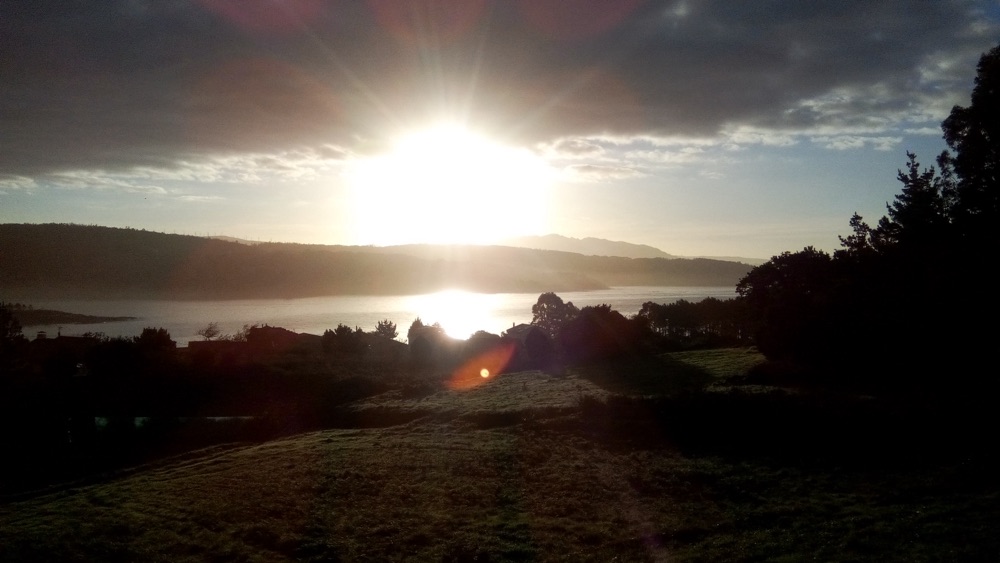
And I got to experience a beautiful sunrise in the mountains.
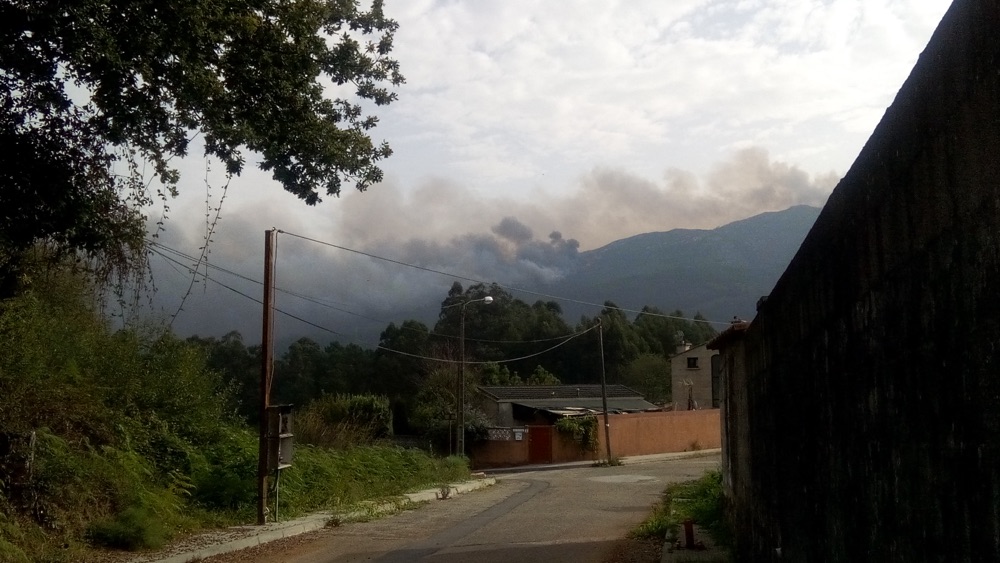
Another time, I experienced a forest fire almost firsthand.
By the third week, I simply walked.
I had developed a curious attitude. I took each day as it came and stopped comparing myself to the other people around me.
Eventually, I reached Santiago de Compostela with two other pilgrims.
We did what you’re supposed to do: we attended the famous Botafumeiro ceremony, picked up our certificates, and went out for dinner that evening.
But when I finally lay in bed that night, having reached my actual goal of walking the Camino, I knew I wanted to keep going.
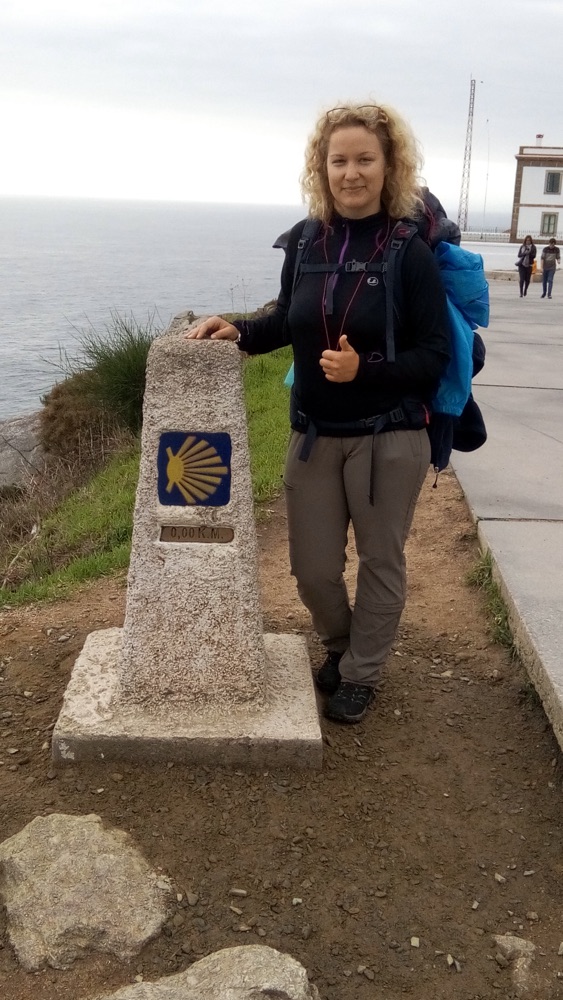
From Santiago, the Camino continues to Fisterra, to Cape Finisterre—known as “the end of the world“.
It was from this coast that Columbus supposedly set sail.
So I kept walking until I couldn’t go any farther.
The ocean physically marks the end of the road.
But one day before I reached the coast, I found an old poem of mine again deep down in my bag back: Have Patience by Rainer Maria Rilke.
I had received the little piece of paper when I started school as a child.
I had never understood it.
Sitting on the bed in my hostel, I picked it up and read it again.
And suddenly, I understood what my real question had been all along.
It was the question of why—and what for.
And I knew that no one could answer it for me.
I had to live the life myself to find out.
So I set off for the final stretch toward the coast, surrounded by the breathtaking beauty of the sunrise over the ocean.
Free from my question.
At peace.
And ready for whatever was coming next.